Introduction
Each of us recorded an elevator pitch covering our name, the country we are interested in, a fun fact and what we bring to the team. Together we also shared what we hoped to gain from E-lab.
African Leadership University (ALU) · E-LAB THINK TANK · Kigali, Rwanda
Six challenges, one group. This site documents how we worked together, what we set out to fix, and how we plan to bring healthcare to women in the Nuba Mountains.
Our think tank mission is to equip women in the Nuba Mountains, Sudan, with both medical skills and basic toolkits, to improve access to basic healthcare services.
We chose this mission because the Nuba Mountains face a severe, life-and-death healthcare deficit caused by ongoing conflict. Empowering local women with medical skills creates an immediate and lasting line of defense.
We honor the culture, customs and dignity of the women and communities we serve.
We start by listening to what Nuba women face every day, then build with them.
We share the work, the ideas and the credit, in our group and with the community.
The people of the Nuba Mountains in Sudan face an acute shortage of healthcare services. According to the World Bank (2026), there is, on average, fewer than one trained medical practitioner for every 100,000 to 400,000 people. The war ongoing since 2023 has caused massive displacement and destroyed medical infrastructure. How can equipping women with medical skills and toolkits help ease the health crisis in Sudan within the next 12 months?
Families across the Nuba Mountains, and most of all mothers, pregnant women and young children, many of whom have been displaced from their homes by the war.
A mother giving birth, a child with malaria or a malnourished infant may have no trained person within reach. Without basic care, treatable conditions become deadly.
Beyond the shortage of practitioners and the destruction of clinics, there is a cultural barrier: in Nuba culture, a woman will not discuss pregnancy with a male stranger. Care has to come from women they trust.
Mother of Mercy Hospital is the only hospital in the Nuba Mountains. Most outside efforts bring in doctors from elsewhere, which does not build local skills that can last once those doctors leave.
UMMI Collective is a women-led, mobile health network run by Nuba women for Nuba women. We transform local mothers and young women into trained Community Health Entrepreneurs.
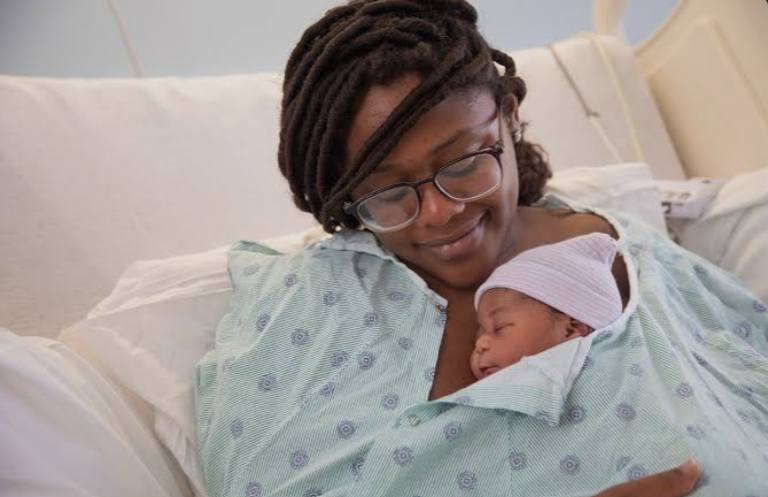
Most organizations bring doctors in from outside. We build healers from inside, so the care continues. Our difference comes down to four words:
Direct: Nuba has 680 maternal deaths per 100,000 births. That number can fall greatly when women-led initiatives take root, because women get quality, necessary healthcare from someone they trust.
Indirect: 30 Nuba women become leaders and earn incomes. This changes the norm that health work is only for men.
We don't just deliver health. We deliver dignity and power to Nuba women to become healers of their own mountains.
The Ummi Kit is the backpack every UMMI Community Health Entrepreneur carries. It brings essential medicines, a clean birth kit and a first aid kit to women in their own villages.
We plan to collect data from our trainees every quarter, when they come back to Mother of Mercy Hospital to restock their kits. Each restock visit doubles as a check-in, so no extra trips are needed.
We will compare each quarter with the last to see where care is improving, then adjust the kit's contents and the training to match what the women actually need in their villages.
One challenge every other week. Watch our video for each one.
Each of us recorded an elevator pitch covering our name, the country we are interested in, a fun fact and what we bring to the team. Together we also shared what we hoped to gain from E-lab.
We chose the Wuudabi community and told a story the world has not heard: their amazing facts, the misconceptions about them, their problems and what makes them unique. We shared it as a podcast.
We chose a cause and added value by helping a poor family with school supplies, shoes for the children and food.
We interviewed a doctor from a clinic and asked her questions to learn from real experience in healthcare.
Imagining a $10,000 GRASP grant, we wrote a compelling application for UMMI Collective, our women-led mobile health network for the Nuba Mountains.
We built this website to document our journey: our mission, our problem statement and our solution. You are looking at it.
ALU · E-LAB THINK TANK
We are NEXUS.
Mission · Problem · Solution · Prototype · Journey · Team · Reflection
Five students from African Leadership University (ALU), working together as NEXUS.
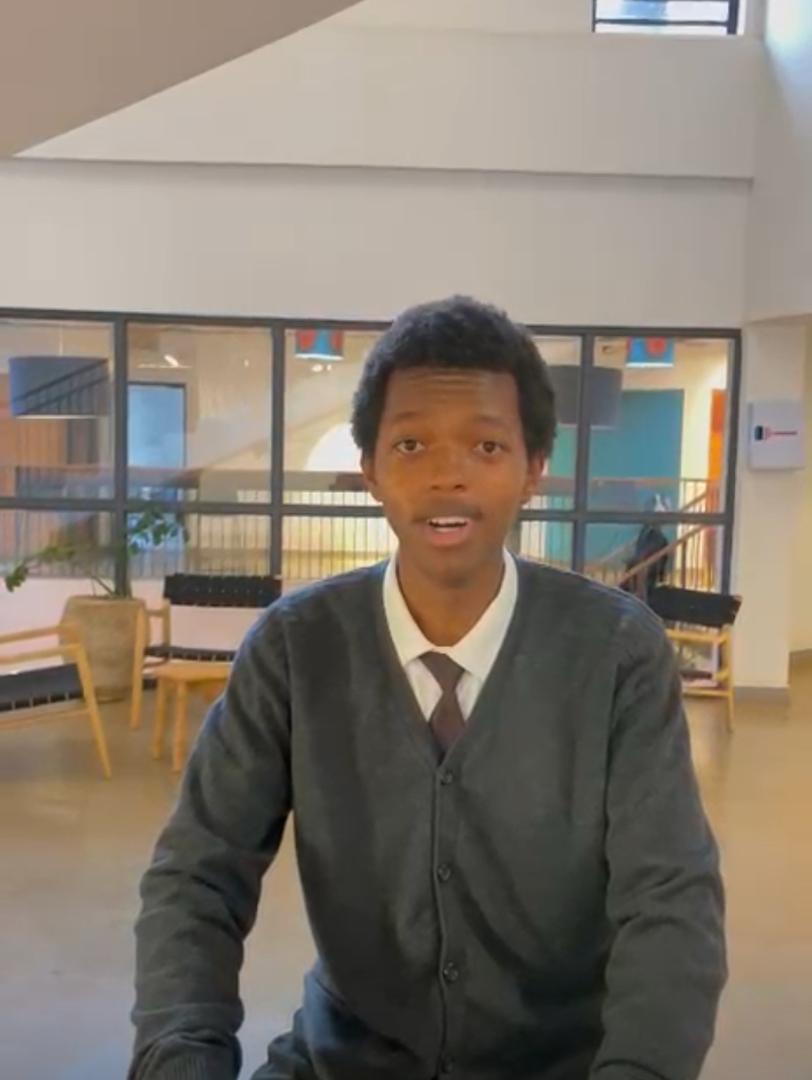
Group leader
The team's strategic anchor: guides the project vision, delegates tasks and keeps every bi-weekly milestone on track.
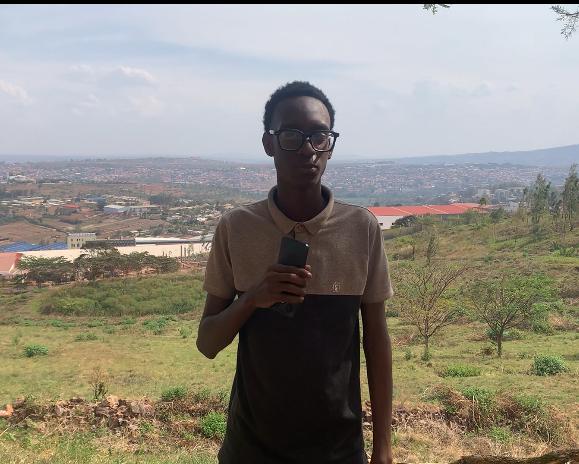
Web Developer & Media Editor
Designed and built this website, and created the media content for our challenges.
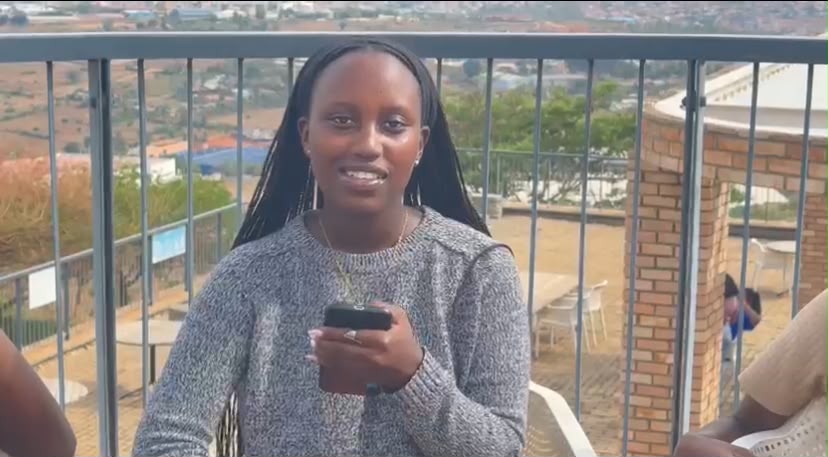
Project Planner
Managed the project timeline and coordinated the team so every milestone was delivered on time.
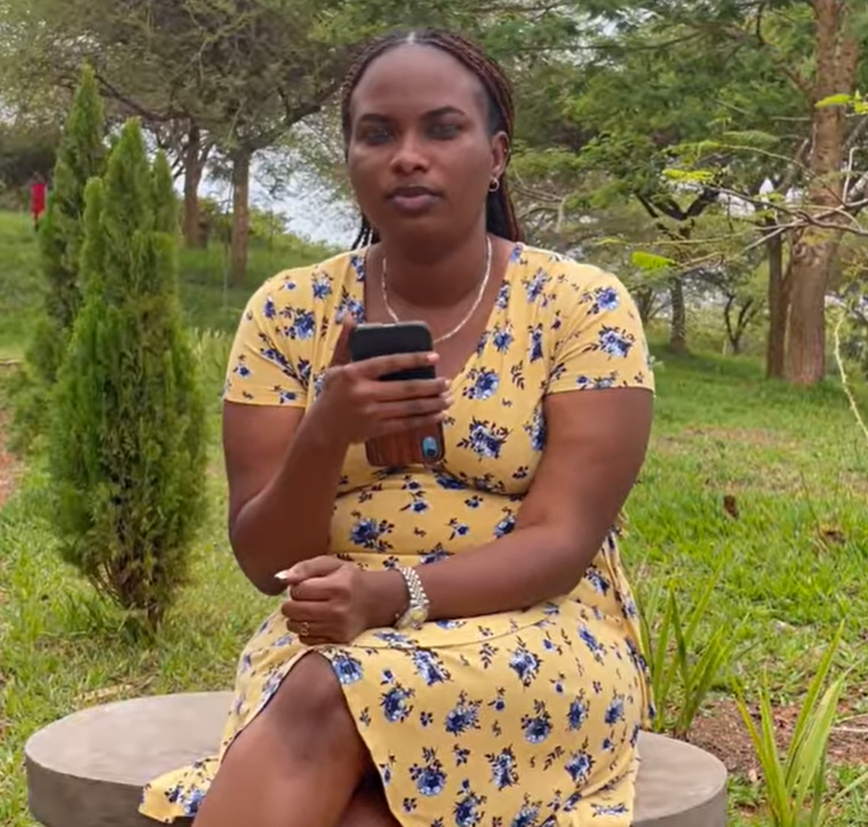
Camera Operator
Captured our project activities on camera, making sure our work was documented in high quality.
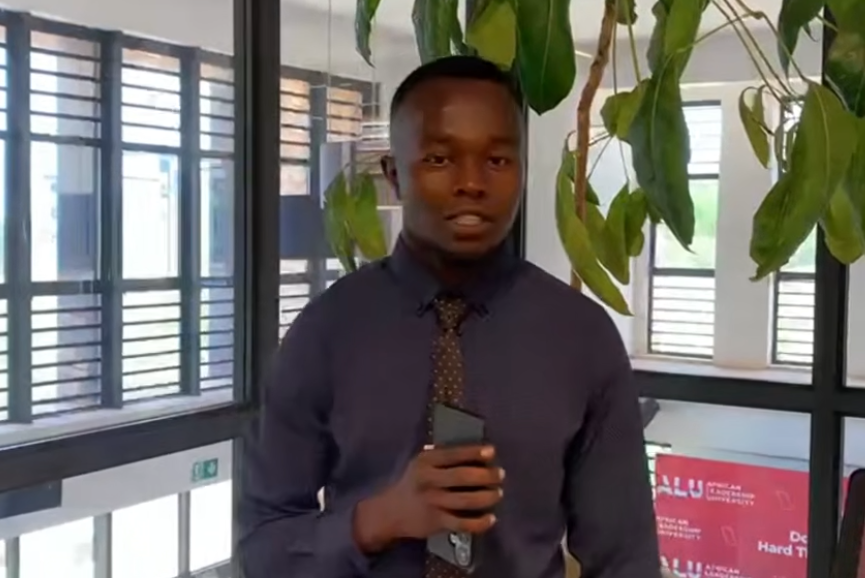
Community Liaison & Lived Experience Advisor
Brings firsthand insight and local context from Sudan, so that our problem statement and solution address the real needs of the community.
Our collaboration, within NEXUS and with the other think tanks, was cohesive. We shared ideas openly and supported each other through every challenge.
Finding a creative, homegrown solution to a problem that has resisted many earlier attempts.
We would involve the people of Sudan more directly in our research, so their voices shape the solution from the very start.
We will keep developing UMMI Collective and carry what we learned about teamwork, research and community into everything we do next.
Six challenges taught us that real change starts with listening. We began by introducing ourselves and ended by designing UMMI Collective, and along the way we learned to work as one team: NEXUS.